

KTH Royal Institute of Technology
Description :
KTH Royal Institute of Technology is one of Europe’s leading technical universities, advancing knowledge and innovation through research, education, and collaboration with industry. Within KTH, the Division of Heat and Power Technology develops sustainable solutions for thermal and mechanical energy conversion. KTH’s work covers smart energy networks, renewable energy integration, turbomachinery and propulsion, thermal technologies for decarbonization, and industrial energy systems. Its research supports efficient power generation, thermal energy storage, water purification, and the large-scale use of solar and wind energy to reduce CO2 emissions and accelerate the transition towards a sustainable, low-carbon future.
Role :
KTH develops and applies techno-economic modelling and optimization methods for molten salt-based long duration energy storage (LDES) solutions. The work includes molten salt technology characterization, collection of operational and market data, development and validation of bidding and control strategies, and techno-economic assessment of innovative LDES concepts. KTH investigates the integration of molten salt storage in a real-world demonstrator and replication case studies, including concentrating solar power plants, retrofitted coal-fired power plants, and power-to-heat applications, to identify pathways towards flexible, resilient, and cost-competitive renewable energy systems. (693 characters including spaces)
Team members
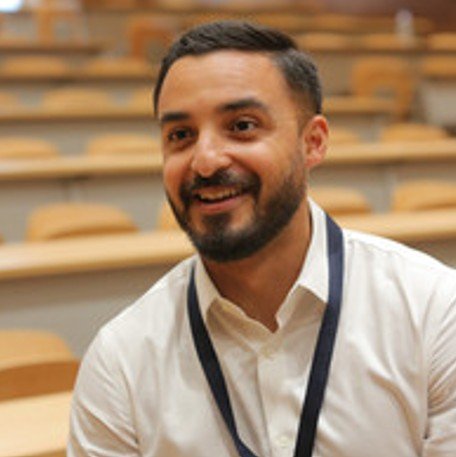
Rafael Guedez
Associate professor – Rafael Guedez is an associate professor at the Heat and Power Division of the Energy Department. His research focuses on the development of techno-economic performance models for optimizing the design and operation of energy conversion and storage technologies, systems and power plants. Such work aims at assisting decision making for technology manufacturers, investors, project developers and operators, and policy-makers.
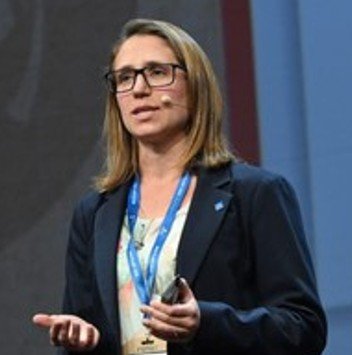
Silvia Trevisan
Assistant Professor – Silvia Trevisan is an assistant professor at the Heat and Power Division of the Energy Department. Her research focuses on the development of cost-effective Thermal Energy Storage (TES) solutions to maximize the penetration of renewable energy while providing stability and flexibility to the energy sector. Her research spans component development, prototyping and lab validation via experimental campaigns alongside comprehensive technical, economic and environmental system performance assessments. Additional key research topics include hybrid renewable energy systems and solutions for electrification of the heating sector (primarily within the industrial context) such as high-temperature heat pumps and electric heaters.

Salvatore Guccione
Postdoctoral researcher – Salvatore Guccione is a postdoctoral researcher at the Heat and Power Division of the Department of Energy Technology. His research focuses on developing techno-economic models and optimization tools for energy systems integrating photovoltaics (PV), concentrating solar power (CSP), thermal energy storage (TES), power-to-heat technologies and advanced power cycles. His work aims to support the optimal design and operation of hybrid renewable energy systems by assessing their technical, economic and environmental performance under different market conditions and operational strategies. Additional research topics include flexible and dispatchable energy systems and the electrification and decarbonization of industrial heat.
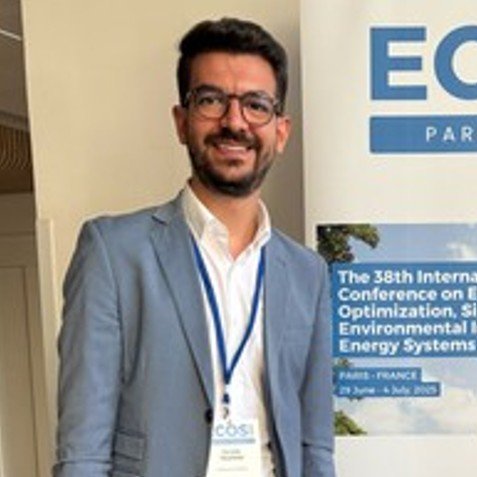
Davide Trapani
Postdoctoral researcher – Davide Trapani is a postdoctoral researcher at the Heat and Power Division of the Energy Department. His research focuses on developing and validating techno-economic models and optimization tools for hybrid power plants integrating renewable energy sources, power-to-X technologies, long duration energy storage (LDES), and advanced thermal power blocks. His work aims to support the optimal design and operation of these systems while exploring new revenue streams through flexibility services and sector coupling.